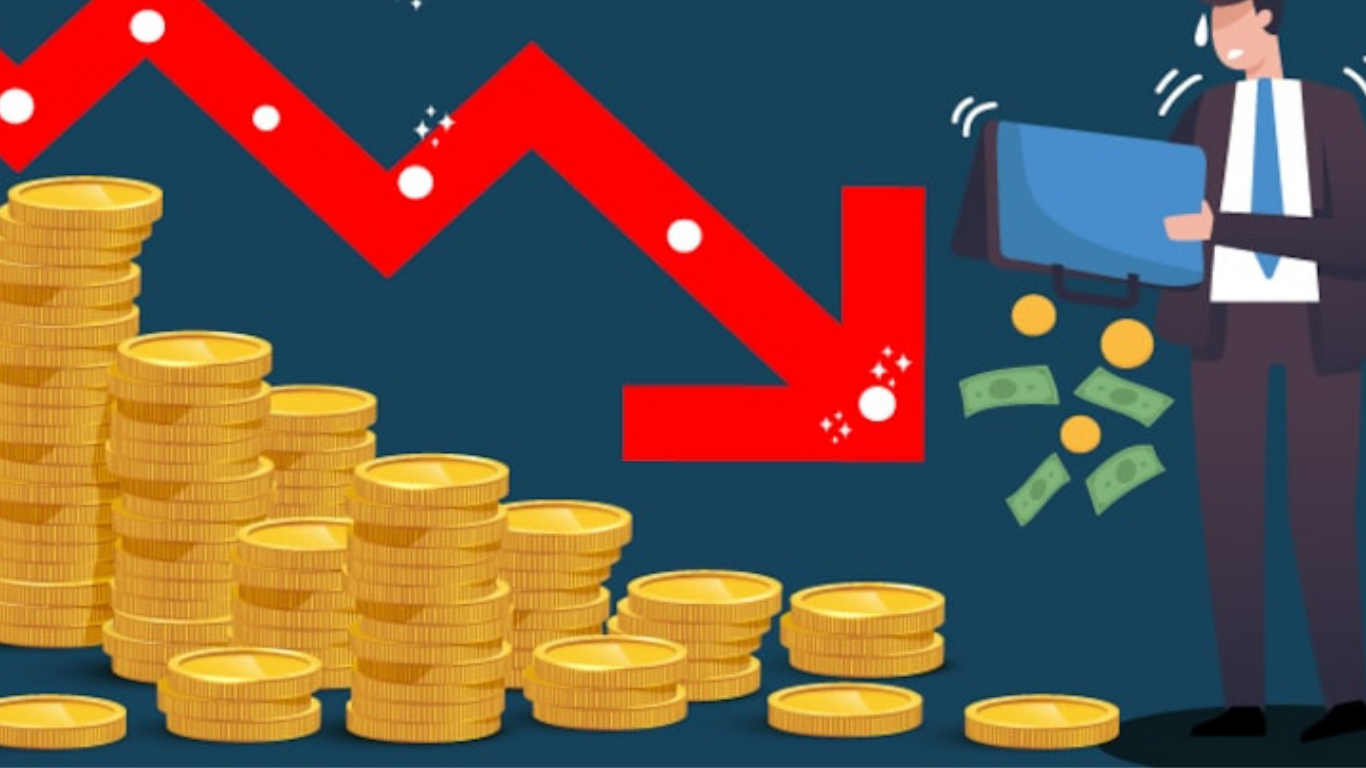



When people think about startup failure, they often assume the idea was simply not good enough.
But history tells a different story.
Some of the world’s biggest startup collapses,including WeWork, Quibi, 54gene, and Lazerpay,didn’t fail because they lacked innovation. Many had brilliant founders, attracted millions of dollars in investment, and generated enormous public excitement.
The harsh reality is that startups rarely fail because of bad ideas.
More often, they fail because execution cannot keep up with ambition.
The Myth of the Perfect Idea
Many first-time founders spend months trying to find the “perfect” business idea.
They believe success starts with originality.
In reality, execution often matters more than invention.
Companies like Uber, Airbnb, and Stripe did not invent transportation, accommodation, or payments. They simply built better systems around existing problems.
A startup’s greatest advantage is rarely the idea itself.
It is the ability to consistently solve a problem better than everyone else.
Funding Is Not the Finish Line
One of the biggest misconceptions in the startup ecosystem is that raising capital equals success.
Investment can create headlines, but it does not automatically create a sustainable business.
In many cases, funding actually magnifies existing weaknesses.
Large budgets can encourage:
- rapid hiring
- aggressive expansion
- unnecessary spending
- operational complexity
Without strong fundamentals, growth can become a liability instead of an advantage.
As many failed startups have shown, cash can buy time—but it cannot buy product-market fit.
Growth Without Structure Is Dangerous
Every founder dreams of scaling.
More customers. More employees. More markets.
But scaling too early can quietly destroy a business.
As operations become larger, founders must build:
- clear processes
- reliable systems
- strong internal communication
- financial discipline
A startup that grows faster than its internal structure often creates hidden cracks that eventually become impossible to manage.
Growth should be a consequence of stability—not a substitute for it.
Founders Must Evolve
In the early days, founders do everything themselves.
They sell. They market. They recruit. They solve customer problems.
But the skills required to launch a startup are not always the same skills needed to scale one.
At every stage, founders must evolve from:
- builder to leader,
- operator to strategist,
- individual contributor to system creator.
The startup can only grow as far as the founder is willing to grow.
Technology Is Changing the Rules
Artificial Intelligence and automation are lowering the barriers to entrepreneurship.
Today, small teams can achieve what once required entire departments.
Founders now use AI for:
- market research
- content creation
- customer support
- software development
- business analysis
The future may belong less to startups with the biggest teams and more to those with the smartest systems.
The New Definition of Startup Success
The modern startup ecosystem is shifting.
Investors are paying closer attention to:
- sustainable revenue
- operational efficiency
- profitability
- long-term resilience
The era of growth at all costs is gradually giving way to disciplined execution.
The startups that survive may not be the loudest.
They may simply be the ones built to last.
Conclusion
A great idea can open the door.
Funding can create momentum.
But neither guarantees survival.
In the end, startups succeed because they execute consistently, adapt quickly, and build systems that can withstand growth.
Because in entrepreneurship, the biggest risk is not having a bad idea.
It is failing to build a business strong enough to support a good one.
Hashtags
#Startups #Entrepreneurship #Innovation #Founders #BusinessGrowth #StartupEcosystem #Leadership #BuildWithNUVO